
In this article: Setup, Usage, Troubleshooting.
1. Setup
Go to app’s Settings > Autofill > Autofill in Chrome and select Enable in Settings.
Enable SafeInCloud service in the phone’s Accessibility settings.
- Chrome took this a step further in 2011 by introducing Autofill, which fills in entire forms based on a user's Autofill profile. Starting in the next major version of Chrome (M43), we're taking yet another step to help users fill out forms faster by expanding our support for credit cards and addresses in Google.
- Clear all Chrome Autofill information on iPhone and iPad. Open the Chrome browser. Tap on three dots in the right upper corner. Go to 'History' and click on 'Clear browsing data.' Go to the 'Advanced' tab and select a time range. Find the option 'Autofill form data' and 'Saved passwords' and check the boxes to delete autofill.
Tip: You can also access this setting via the phone’s Settings app.
SafeInCloud will ask you then for the Appear on top permission. This permission is required to show a popup with the autofill suggestions on top of Chrome browser.
Google Chrome and other web browsers offer an autofill option to quickly fill out details such as commonly used addresses, payment methods, first name/last name, and more. In Google Chrome, the autofill feature can populate three types of forms or fields: passwords, credit card information, and addresses. The following sections show you how to access each, and enable or disable them.
Tip: You can adjust how often to require the unlock while using Autofill via SafeInCloud Settings > Autofill > Authentication.
By default SafeInCloud icon in Quick settings can be hidden. To unhide it, start to edit the configuration of Quick settings and move the SafeInCloud icon from the hidden area to the active list area.
You can hide notifications in case you are using Quick settings. To switch it off got to Settings > Autofill in Chrome > Hide autofill notification. The same step applies in case you want the SafeInCloud icon to show up in the Notification panel while using Chrome.
2. Usage
There are two options to use autofill in Chrome:
- via Notifications panel
- via Quick settings
The autofill mechanism works not only in Chrome, but also in other browsers (e.g. Opera, Brave, Edge…). Some other browsers support another autofill method, see: Autofill in apps
List of browsers supporting Autofill in Chrome mechanism: Chrome, Samsung Internet, Huawei Browser, Opera, Opera Touch, Brave, Microsoft Edge, Kiwi, Firefox Focus, DuckDuckGo, Vivaldi, Free Adblocker Browser, Naver Whale, Cliqz, Bromite
Autofill via Notifications panel
Open Chrome and navigate to some page that requires authentication. You will see a small SafeInCloud logo at the top Notifications panel.
Scroll down the Notifications panel and you will see the autofill notification. Tap it to activate the autofill mechanism (it also might require unlocking the SafeInCloud app).
The popup with the autofill suggestions will appear on top of Chrome (if there are several).
Finally, SafeInCloud will autofill the login and password on the page.
Autofill via Quick settings
Open Chrome and navigate to some page that requires authentication. Open the Quick settings toolbar by swiping down from the top of your screen. You will see the SafeInCloud logo in the list. Tap it to activate the autofill mechanism (it also might require unlocking the SafeInCloud app).
NB! SafeInCloud icon in Quick settings is activated when the Chrome browser is open. Otherwise, the icon is in an inactive state.
The popup with the autofill suggestions will appear on top of Chrome (if there are several).
Finally, SafeInCloud will autofill the login and password on the page.
3. Troubleshooting
Autofill in Chrome might not work if your phone has an aggressive battery optimization. Use the search to locate the battery optimization setting in the phone’s Settings app. Make sure that the optimization is turned off for SafeInCloud. More details: https://safeincloud.ladesk.com/500943-How-to-fix-Autofill-in-Chrome.
If some card does not appear as an autofill suggestion, start editing this card. Then press the Autofill (a magic wand) icon on the toolbar.
In the Autofill dialog make sure that:
a. the Use for Autofill checkbox is on;
b. the fields have correct autofill attributes: User name, Password, and Website.
This year, more than ever before, a lot of us have opted for online shopping instead of going to physical stores. However, even before the COVID pandemic, shopping over the web has long offered a more convenient, time-efficient, and energy-saving alternative to traditional shopping.
If you’re a frequent online shopper, you have probably used or are currently using Chrome’s Autofill feature, which allows for a quick checkout. With this feature, you don’t have to fill in your contact and credit card details every time you want to make a purchase. The main purpose of Autofill is to automatically fill in the details you have previously used when shopping online. This typically includes your name, shipping address, credit card details, and sometimes even passwords.
Setting up Autofill is really easy — you won’t even have to make any changes in Settings. Typically, the Chrome browser will simply ask you if you want to have the information you’ve just entered saved for future use. If you accept, the next time you shop online, your saved contact and payment details will be filled in automatically. The same will happen when you log into your social media accounts, frequently used apps and more. The only thing you might be asked to fill in again is the CVV code for your credit card — this is done for security measures.
Autofill is a great way to save time. However, there are still some precautions you will need to take to avoid problems. For instance, it is recommended to only use this feature on your private computer. If you are sharing your PC with co-workers or family, using Autofill may not be a good idea. For one, doing so give others access to your private data. Secondly, other users of the same device may get annoyed if your information is filled in automatically when they are online.
Finally, even though using Autofill is mostly safe, there are still some risks. If your computer gets infected with malware, others may get access to your payment details — and this is never good. This is why it is important to know how to delete unwanted Autofill entries on your Chrome browser.
Below, we will tell you about several methods that you can use to manage Autofill information in Chrome.
How to Clear Autofill Information in Chrome on Windows 10?
There are several ways you can go about clearing Autofill details in Chrome. Below, we will cover the following points:
- How to edit the Autofill information on your phone and tablet
- How to clear all the Chrome Autofill information on your phone and tablet
- How to disable Chrome Autofill on your phone and tablet
- How to edit the Chrome Autofill information on your PC
- How to clear all the Chrome Autofill information on your PC
- How to disable the Chrome Autofill information on your PC
Let’s start from the beginning.
How to Edit the Autofill Information on Your Phone and Tablet
Credit card details:

- Go to the Chrome browser.
- Tap the three dots in the upper-right corner to access Settings.
- Select Payment methods.
- Go to Saved information.
- Select Edit and go on to edit or remove the payment methods you no longer want to be saved.
- If you want to add a different payment method, simply tap Add card or Add payment method at the bottom of the window.
Contact details:
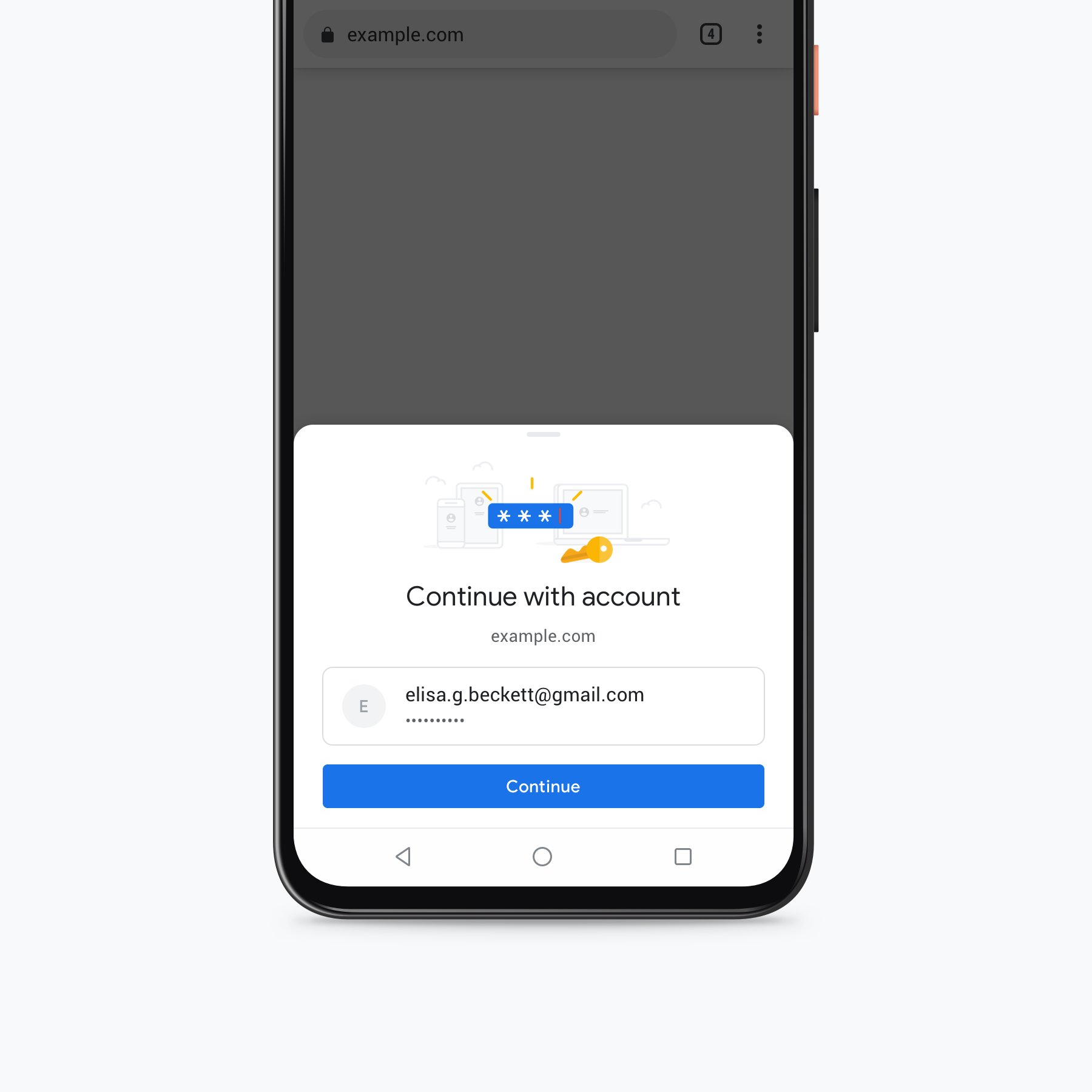
- Go to the Chrome browser.
- Open Settings (tap the three dots in the upper right corner).
- Go to Addresses and more.
- Select Saved information.
- Edit your contact details and tap Done.
- If you want to delete an address, tap it and then tap the trash icon.
- If you want to add a new address, go to the Addresses and more tab and select Add address.
Passwords:
- Go to Chrome and enter Settings.
- Select Passwords.
- To change a password, tap View and manage saved passwords in your Google Account.
- Select the password you want to change.
- Confirm your identity.
- Select Edit and change your login info.
- If you want to delete your login information, select Delete.
How to Clear all Chrome Autofill Information on Your Phone and Tablet
If you want to simply remove all the information you have previously saved, here’s how to proceed:
- Open Chrome.
- Go to Settings.
- Navigate to History and select Clear browsing data.
- Next, go to Advanced and choose a time range.
- Locate the following categories: Autofill form data and Saved passwords.
- Check the boxes to remove Autofill information.
Note that this way you won’t be able to delete credit card information stored in your Google Play account. If you want to remove credit card information in Google Play, check the How to Edit Autofill Information on Your Phone and Tablet section.
Chrome Autofill Edit
How to Disable Chrome Autofill on Your Phone and Tablet
Credit card details:
- Open Chrome.
- Tap the three dots in the right corner to get to Settings.
- Go to Payment Methods.
- Uncheck the ‘Save and fill payment methods’ option.
- Uncheck the ‘Save and fill payment methods’ option.

Contact details:
Best Autofill For Chrome
- Open the Chrome browser.
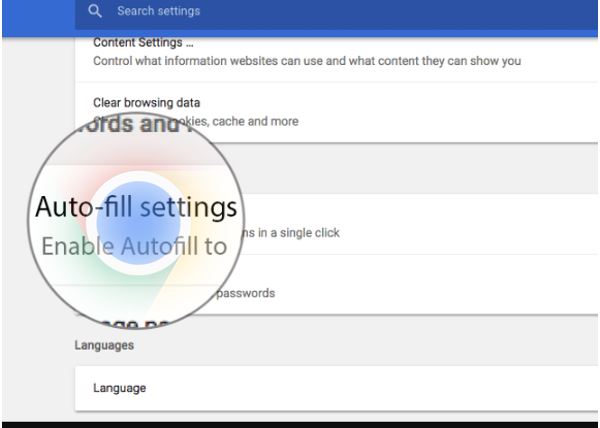
- Go to Settings and select Addresses and more.
- Turn off Save and fill addresses.
Passwords:
- Launch the Chrome browser.
- In Settings, find the Password section.
- Uncheck Save passwords.
How to Edit the Chrome Autofill Information on Your PC
Credit card details:
- Go to Chrome.
- Access Settings (three dots in the upper-right corner).
- Find the Autofill option and click it (you should see it in the left corner of the window).
- Select Payment methods.
- To change a payment method, click the three dots next to it and select Edit.
- If you want to add a different payment method, click Add.
- If you want to remove payment information, click the three dots next to it and select Remove.
Contact details:
- Open the Chrome browser.
- Click the three dots in the top right corner.
- Go to Settings.
- Find the Autofill option and click it (check the left corner of the window)
- Go to Addresses and more.
- To change an address, click the three dots next to it and select Edit.
- If you want to add a new option for your address, select Add.
- If you want to remove an address, click the three dots next to it and select Remove.
Passwords:
- In Chrome, go to Settings.
- Make sure that Sync is turned on.
- Locate the Autofill option and click it.
- Go to Passwords.
- To change a password, click the “View and manage saved passwords in your Google Account option.
- Select the password you want to change and click Edit.
- If you want to delete your login information, click Delete.
How to Clear all the Chrome Autofill Information on Your PC
If you want to remove all the saved information from your computer, here’s what to do:
- Open the Chrome browser.
- In the top right corner, click the three dots icon.
- Go to More Tools and click Clear Browsing Data.
- Navigate to the Advanced tab and pick a time range.
- Go to Autofill form data and find Passwords and other sign-in data.
- Check the box to delete all Autofill information.
- Click Clear data to delete everything.
Keep in mind that this method won’t delete credit card information saved in your Google Pay account. If you want to remove it, go to the Payment Methods section and go to your Google Account.
How to Disable the Chrome Autofill Information on Your PC
Credit card details:
- Go to the Chrome browser.
- In Settings, go to Autofill and select Payment methods.
- Disable Save and fill payment methods.
Contact details:
- In Chrome, go to Settings.
- In Autofill, click Addresses and more.
- Uncheck the Save and fill addresses option.
Passwords:
Chrome Autofill App
- Open Chrome.
- Click the three dots in the top right corner to open Settings.
- Under Autofill, click Passwords.
- Turn off the Offer to save passwords option.
Protect PC from Threats with Anti-Malware
Check your PC for malware your antivirus may miss and get threats safely removed with Auslogics Anti-Malware
Chrome Autofill
There you have it! We hope you now know how to clear Autocomplete information in Google Chrome. Just one more thing before you go. If you do want to use Autofill on your PC, we suggest you add an extra level of security to your system. If you are not sure that your current anti-virus software is up-to-speed with the latest malware developments, consider adding Auslogics Anti-Malware. The program is fully compatible with all the elements of the Windows 10 operating system, is capable of detecting even the rarest malicious items, and has been designed to run alongside other anti-virus tools without any compatibility issues.